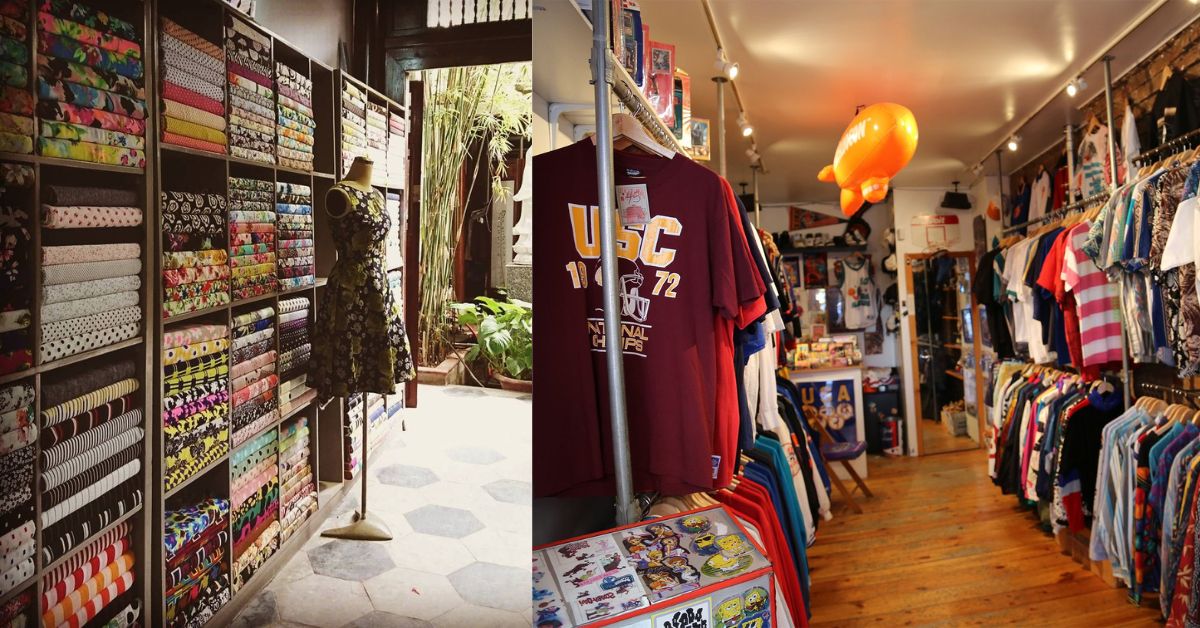
20 Definitive Facts for Finding Curtain Fabric in Walsall, Birmingham and Lichfield
Investing In Comfort: How To Match The Fabric Of Your Upholstery With Custom Fabricated BlindsThe most relaxing space in the house isn't a passive environment. It is a carefully designed atmosphere made up of different textures as well as the acoustics (sound), light, and a sense of tactile harmony. The curtains and the upholstery of your home are the most important textile surfaces to create this ambience. It is normal to choose these two fabrics at a time, which results in a sense of dissonance. A room that seems well-ordered yet feels uncomfortable. This guide suggests pairing custom made curtains with upholstery fabrics is a way to create a unified sense field. It's an investment that goes beyond match-ups of colours. We will explore the ten essential and nuanced factors that determine this combination, taking advantage of the unique strengths of fabric stores in the West Midlands to achieve a result that is coherent sturdy, long-lasting, and deeply relaxing.
Ten Things You Need to Be Educated About:
1. The Hierarchy Touch: Mapping the Textural Dialogue From Fingertip to Floor.
Comfort isn't first felt, but felt. Make a dialogue between the fabrics. The principle is contrast within the framework of a cohesive language. The curtains should be thick velvet, silky smooth wool. They'll provide an atmosphere of peace and soft light. A modern, tight-weave sofa needs curtains with physical depth, like an abrasive herringbone or silk slubbed. In Lichfield’s curated shops, you can spend some time with the fabrics by putting them in your fingers. Avoid pairing slick textiles with leather (e.g.) because they can create a cold and slippery atmosphere. Or two patterns that are too rough, which can be extremely dry or draining.
2. The Acoustic Engineering Duet. Strategic Layering to Soften Sound.
The primary acoustic elements that make up a room are large drapes and furniture that is upholstered. Their pairing should be considered to reduce the sound of the room. A plush upholstery material like high-pile Velvet absorbs the high and mid-range frequency (voices and the clatter). Mix the dense interlined curtain fabrics, like felt wool fabric or a triple-weaved woven cotton, to block noises and soak up lower frequencies. This creates an incredibly serene and peaceful environment. Birmingham's trade-oriented fabric shops, which are used for supplying hotels and offices, can provide technical data on noise absorption coefficients (NRC values) for their commercial-grade upholstery fabrics, providing an entirely engineered method of peaceful living.
3. The Light-Life Analysis: How each material will age in the path of the sun.
This is the practical cornerstone of longevity. You should plan the route of the sun's path within your home. If you want to protect your chair or sofa from direct sunlight, pick fabric upholstery that is UV stable (often indicated with the high Martindale Rub Count and solution dyed fibers). These can be available at Birmingham's contract fabrics suppliers. No matter what the fabric of curtains is, they must be lined in a UV-protective lining or a coated blackout. If your room that faces north and has a gentle light, then you can use a delicate fabric like silk or wool that has an exquisite sheen. This is readily available in Lichfield. Combining sun-resistant upholstery and silk curtains that are not lined in a bright space is an investment that will quickly degrade.
4. The Maintenance Rhythm Synchronisation to create an harmonised care schedule.
Your fabrics must have similar requirements for care. It's not a good idea to have a sofa upholstered in a delicate dry-clean only linen-like fabric, paired with machine-washable cotton curtains. The result is an imbalance between wear and freshness and financial expenses. Aim for a unified regime. This could mean selecting high-end crypton-style upholstery (found in Walsall’s practical shops) together with sturdy and washable curtain fabrics such as canvas or treated cottons to create a clean, low-stress space.
5. The Drape and Weight Equilibrium Visual Balance as well as Physical Balance within the Space.
The mass of your fabric can affect the perception of weight within the room. The curtains should be long, well pleated, and constructed of heavy fabrics such as brocade, wooly or a leather that has a strong hand. A lighter, softer midcentury sofa with a clean cotton requires curtains with a thicker drape -- such as a linen blend fabric or heavy voile -- that may puddle. Unbalanced balance (heavy furniture and cheap drapes, or vice versa) could make the space seem uneven.
6. The Pattern-and Scale Conversation: It's an Interaction and not an Monologue.
It is crucial to employ the same visual language at various volume levels when combining patterns. If your upholstery fabric features a large bold, striking floral (a statement) the curtain fabric should be whispery-speak--a tiny geometric texture or solid with strong weave, or a delicate stripe that picks out a secondary colour from the upholstery. Another option is to reverse it with a solid, tactile sofa can be used to create a moderate-sized design on the curtains. Avoid two patterns that clash. Walsall's fabric shops, which are based on the traditional domestics are great for finding small-scale, classic curtain patterns which play a role in supporting.
7. The Local Ecosystem For Co-ordination : Using the Eye of One Shop To Unify The Scheme.
This is where Lichfield's specialist shops are a highlight. Rather than buying upholstery fabrics in one city and curtain fabric in another, commission the colour and texture matching from a single boutique with a curated range. The majority of the sample books they offer contain coordinated collections by mills that make furniture and heavier dress/upholsteryweights. With a trained eye of the assistant, it is possible to make sure that the undertones like grey and beige are in harmony, which would otherwise be impossible to achieve when purchasing from disparate or different lighting locations. This provides a consistent professional look.
8. The investment allocation strategy: Where you should spend and where you can save.
A true investment in comfort is strategic. Your budget should be allocated to areas that will have the greatest impact on wear and the overall satisfaction. Investing in a performance-driven upholstery material (for durability and use in everyday life) is one method to achieve this. Curtain fabrics can be more economical or innovative. It is worth spending more money on the velvet sofa, which is tough and resistant to wear, could be a smart investment. But, you can make savings by purchasing an extra-weight, attractive cotton curtain from Walsall. Curtains are luxurious because of their construction, lining and not just the fabric.
9. Fabric pairings that evoke certain moods.
Take note of the emotional environment you're creating. Mix matte fabric with deep tones to create a tranquil bedroom or library. Matte velvet curtains block out light and noise and create a peaceful environment. Mix crisp, tactile materials for an energizing fresh, clean sunroom. A cushion made of cotton or a tickling fabric with clean, white linen curtains will let light in and make the space appear airy. This pairing is a deliberate one that goes beyond aesthetics into environmental psychology, using fabric to determine the room's emotional temperature.
10. The "Future-Proofing" Through Timeless Neutrals and Changeable Layers.
The best option is to invest in a neutral upholstery fabric that lasts for many years (a stone-colored blend of wool or charcoal Tweed) along with custom made drapes. The curtains can be altered much more easily and at a lower cost. Curtains can be adjusted depending on the time of year or mood. You can create curtains in any color or pattern you prefer and your sofas or armchairs will last for years. This approach encourages curtains to be an element that can be regenerated in the interior ecosystem. It makes the first pair a challenging task to construct an adjustable, flexible and long-lasting structure of comfortable. Have a look at the most popular fabric shops in Walsall for website advice including curtain poles and curtains, custom blinds, curtains for shop, curtains blinds, hole in the wall curtains, hole in the wall curtains, custom blinds, window with curtains, hole in the wall walsall, curtains and tracks and more.
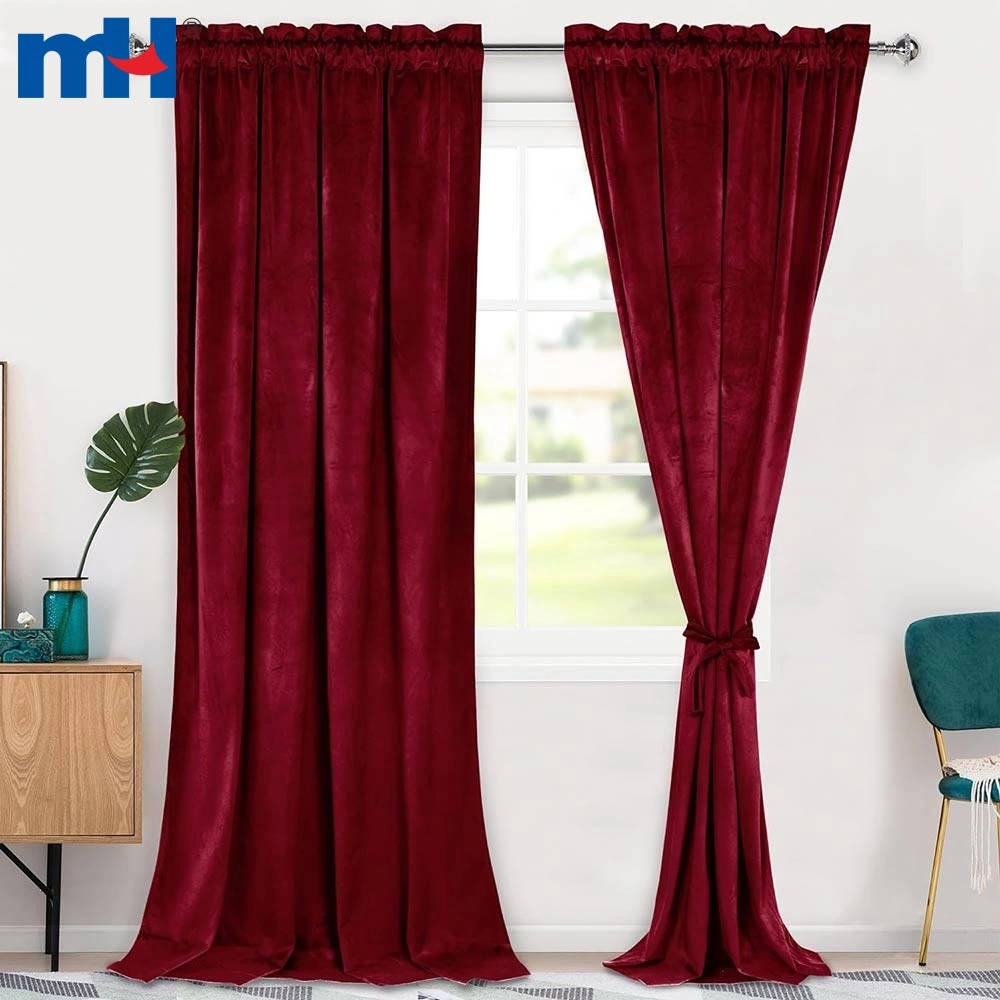
The Untold Truth How To Calculate What You'll Need For Diy Curtains & Upholstery
A lot of creative projects do not succeed when they take the jump from admiring the fabric in a millimetre, to purchasing the exact amount required to complete a project. This is a subject that is plagued by waste and insufficient supplies, which can lead to the expense of overordering fabrics or a demoralizing stop mid-project. This guide will help you determine the amount of curtains and furniture. It goes beyond the simple length-and-width formulas by including hidden variables like fabric behavior and pile. It also connects this maths to the practical requirements of purchasing from different kinds of fabric shops in the West Midlands, acknowledging that the place you purchase your fabric directly affects how you will calculate. These rules will assist you to transform yourself from a reluctant buyer to an experienced buyer, who is capable of negotiating with market traders, boutiques and trade counters.
The Top 10 Things You Need to be aware of:
1. The "Fullness Factor Falsehood" What you can expect to double (not be able to match) your rail width.
The most commonly made DIY error is to purchase curtain fabric that matches exactly the width of the curtain track or pole. This results in flat, sluggish curtains. Professional made to order curtains make use of a "fullness ratio" of between 2 and 25 times the width of the rail. The excess fabric is then pleated into beautiful folds which hinder light. To begin, multiply the length of your rail by 2.5 to determine how much fabric you'll require. *If you are using a 20cm-wide rail you'll require 500cm of total fabric width (5 metres) prior to taking into account pattern repeats. It's a non-negotiable requirement for a professional looking product. This is the very first factor to consider prior to visiting a fabric store.
2. The Pattern Repeating Tax: A Hidden Multiplier which determines your Meterage
When you choose a pattern fabric, your calculation changes from simple arithmetic into strategic planning. Work in multiples the vertical repeat of the pattern. This measurement can be visible on the tag or is determined by measuring between two distinct points in the design. The formula becomes: **[(Finished Length + Hem and Heading Allowance) / Pattern Repeat] = Number of Repeats Needed. Round this number, and multiply it by the Pattern Repeat in order to calculate your **Cut length per drop. For a 64cm repeat, the 250cm length requires 3.9 times. If you reduce this number to 4, then 4 x 64cm equals 256cm. This "waste" is vital to ensure alignment of patterns.
3. Purchase wide fabric in length, not width.
Traditional cutting, where the pattern is run through the entire length of fabric results in seams that are wasteful when it comes to large-scale upholstery projects, such as the headboard or sofa. Railroading is a solution that uses the fabric's width to complete your project. If the fabric's width is 137cm and your sofa 220cm, you can join two lengths. The pattern may allow it (ask at the shop! The fabric is cut into 220cm length if it's an *width*. This technique requires a more bolt length but produces an unidirectional product. Birmingham's counters for trade are adept in this process; Walsall's stores may require this concept to be explained clearly.
4. The Dressmaker's Method to Curtains: Why You Must Be Respectful of the Fabric's "Grain."
As in the dressmaking process cutting curtains "on the grain" is crucial. The threads that make up the fabric's warp (running parallel to the selvedge) must be perfectly vertical for a straight hang. Be aware of the fact that certain fabrics, such as florals or velvet that are that are stylized in a particular way and have a "nap". The waste caused by cutting each drop the same way is increasing. It is easy to seek their advice when you tell them the need to "cut the fabric along the straight grain" for drapery. This is because they are more knowledgeable about grainline integrity than the other retailers.
5. The Lichfield Loophole.
When using dresses (e.g. linen, heavy or brocade) from a Lichfield curtain shop there is a limit on the width. Fabrics for dresses are typically 110cm to 150cm wide and normal curtain fabrics measure between 137cm and 150cm. If you are looking to achieve the required **Total Material Width** from point 1 the fabric will need to increase the number of panels. This can affect the seam allowance and the matching of patterns. The formula is: **Total Required Fabric Width / Fabric Bolt Size = the number of panels. ** Round up. The final metreage is calculated by multiplying this number with the length of your cut. In most cases, you'll require more metreage than with wider cloth. The distinctiveness of the fabric can offset the extra cost.
6. The "Upholstery Fabric By the Metre" puzzle Affirming cushion buttoning and boxing.
For upholstery, the calculation for the flat back or seat is straightforward width + seam allowance by length plus seam allowance. Boxing (the sides of a cushion) as well as deep buttons are more complex. If you are boxing your cushion, add the seam allowance and the measurements of the cushion's perimeter to determine the length. If you're making deep-buttoned backings, double the flat area will allow for the fabric to be drawn into the tufts. The "yield guides" also known as consultants are offered at trusted shops that specialise in upholstery fabric in Birmingham. They can assist you calculate these numbers in accordance with the style of your furniture.
7. Walsall value-engine: Sourcing first-liner the linings, calico, and mock-ups.
Create a mock-up or "toile", using inexpensive calico before cutting your main fabric. Walsall fabric stores offer a great collection of this inexpensive but necessary muslin. Calculate, and buy your calico, using the exact same formulas you will use for the final product. This dry-run can reveal any errors in the measurements you have made, check your calculation for fullness and assist you in adjusting the method of sewing. Walsall will also supply you with the most cost-effective interior linings and linings. You can use them as a separate layer for calculation and then make investments in the face fabric.
8. The Selvedge and Shrinkage Adjustment: Unseen Millimetres That Count.
All calculations must incorporate invisible allowances. Seams: Add 2cm each time you join the seam (so you should add 4cm to each panel, even if you side-sealed). The typical hem for curtains is a 15cm deep bottom hem and 10cm at the top. It is important to include an allowance of 5-8% for shrinkage in natural fibers like cotton or linen, in the event that pre-washing is not performed. That means you'd add 12.5cm for a length of 250cm. If you're looking for an establishment to cut the fabric by the metre, tell them your cut-length (including allowances), and not the length that you will be finished.
9. The Birmingham Bulk Buy Buffer - The Strategic "Safety Metre."
To prevent the difficulty of reordering the dye-lot at Birmingham's trade rolls and markets in which it's impossible to do this, you can introduce a rule known as "safety meters" when purchasing. After you've completed your calculation, you can add the length of one repeat (or 0.5m when it's plain) to your purchase. This will cover threading mistakes cut-off mistakes, as well as future repairs. A slightly higher cost per metre is an affordable method to shield yourself from unexpected incidents. This buffer will be less significant in Lichfield since a boutique is in a position to purchase a particular fabric or plain one from Walsall.
10. The final pre-cut verification: The "Lay-Out" Ritual on Paper or Floor.
Make sure to check the fabric one more time prior to deciding whether you want to cut it or have it sheared. Tape the bolt's width on graph paper or your floor. Lay out the panels using a ruler, keeping in mind the repetitions of patterns and the nap direction. This "paper doll" exercise often reveals one last optimisation--perhaps re-ordering drops can save half a repeat. It's a last, contemplative step that can make a difference between a DIYer who is anxious from a confident DIYer.